




September 16, 2026
Cooking recipesHealth
Refreshing Homemade Mango Ice Cream with CBD Infusion
Read more
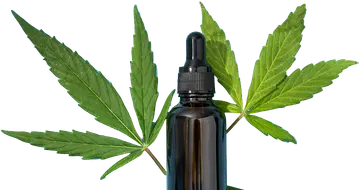
CBD (cannabidiol) has become a widely discussed topic in recent years. Derived from the hemp plant, CBD is found in various products such as oils, capsules, edibles, and cosmetics. Many people turn to CBD for its potential to support everyday wellness routines. However, when it comes to pregnancy, questions often arise about its safety, possible effects, and whether it should be used at all.
Pregnancy brings significant physical and emotional changes. Hormonal shifts can lead to morning sickness, mood swings, changes in sleep patterns, and general discomfort. It’s understandable that some expectant parents look for gentle, natural options to manage these symptoms. With CBD's rise in popularity, it's increasingly common for questions to surface about its use during pregnancy.
Scientific understanding of CBD is still evolving, especially when it comes to pregnancy. While there is growing research on how CBD interacts with the body’s endocannabinoid system, studies specifically focusing on pregnant individuals are limited. Much of the available information comes from animal studies or research on cannabis as a whole, which contains THC, a psychoactive compound not present in pure CBD products.
Most major health organizations, including the World Health Organization (WHO) and American College of Obstetricians and Gynecologists (ACOG), recommend caution around any cannabis-derived products during pregnancy. The main concern is the lack of comprehensive human studies and the potential for unknown risks to fetal development. As a result, many healthcare professionals advise against using CBD while pregnant until more is understood.
A primary concern is the absence of long-term studies on CBD’s impact during pregnancy. Researchers do not yet know if CBD could cross the placenta or affect fetal development. Without robust evidence, it’s difficult to guarantee safety for expectant parents and their babies.
The quality of CBD products can vary widely. Some products may contain traces of THC or other substances not listed on the label. For pregnant individuals, consuming products with unknown ingredients could pose risks. Additionally, the CBD market is not always strictly regulated, increasing the importance of careful product selection (if use is considered at all).
Pregnancy often involves prescribed vitamins or medications. CBD may interact with certain medications, potentially altering their effectiveness. This further highlights the importance of discussing any supplement, including CBD, with a healthcare provider.
Some people report that CBD helps them manage feelings of discomfort, stress, or sleep challenges. However, these effects are not universally experienced and have not been well-studied in pregnant populations. It is important to note that individual experiences vary, and what works for one person may not be suitable for another—especially during pregnancy.
While curiosity about CBD is natural, especially for those seeking relief from pregnancy-related symptoms, it is crucial to approach the subject with caution.
Before starting any new product or supplement during pregnancy, consult a healthcare provider. A doctor or midwife can provide guidance based on the latest research, your individual health needs, and your pregnancy history.
If CBD use is being considered (for example, under medical supervision), check for products that offer transparent labeling and independent laboratory testing. Look for certificates of analysis (COAs) that confirm the absence of THC and contaminants. Quality assurance is especially critical during pregnancy, but professional guidance should always come first.
Even if you see anecdotal reports of CBD use during pregnancy, avoid making decisions based solely on others’ experiences. Start low, go slow is a common phrase with supplements, but during pregnancy, professional advice is even more important. Self-medication can carry unforeseen risks, particularly in this sensitive period.
Many pregnancy symptoms can be managed with non-supplement approaches. Gentle exercise, balanced nutrition, adequate hydration, and rest are often recommended by healthcare providers. If discomfort is significant, a healthcare professional can suggest safe and effective strategies tailored to your situation.
Laws regarding CBD products can vary depending on the country or region. In most places, products must contain less than a certain percentage of THC and follow specific manufacturing guidelines. For pregnant individuals, it’s especially important to ensure any product is legal, compliant, and comes from a reliable source.
As interest in CBD continues to grow, so does the need for thorough research on its impact during pregnancy. Until more conclusive evidence is available, the general recommendation is caution. Healthcare professionals and researchers agree that more studies are needed to determine if CBD is safe or beneficial for expectant parents and their babies.
For more information on CBD safety, you may find the article Understanding the Potential Side Effects of CBD insightful.
Ultimately, protecting your health and your baby’s development is the top priority. Informed decisions, guided by professionals, ensure the best outcomes for both parent and child.
Receive the latest information on sales, special offers, new publications and more...