




September 16, 2026
Cooking recipesHealth
Refreshing Homemade Mango Ice Cream with CBD Infusion
Read more
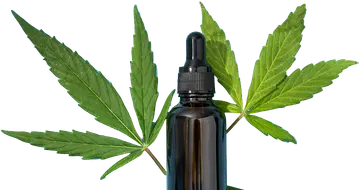
Cannabidiol (CBD) is a natural compound extracted from the hemp plant, gaining attention for its potential in various wellness routines. Unlike THC, CBD is non-psychoactive, meaning it does not produce a 'high.' In recent years, interest has grown in how CBD might interact with our skin, especially as more topical products and cosmetics enter the market. While research is ongoing, many users are curious about how CBD could fit into their daily skin care routines.
Our skin is the largest organ of the body and serves as a protective barrier against the environment. Interestingly, the skin contains its own endocannabinoid system (ECS), a network of receptors involved in regulating processes such as inflammation, oil production, and even the skin's barrier function. Researchers are exploring how plant-based cannabinoids like CBD might influence the ECS to support skin balance.
A number of laboratory studies suggest that CBD might help regulate inflammatory responses in the skin. Inflammation is a common feature of many skin concerns, such as redness or irritation. Some early research points to CBD's ability to modulate certain receptors involved in the inflammatory process, which could be relevant for people managing sensitive skin. However, much of the available evidence comes from preclinical studies, and further human research is needed to confirm these effects.
Excessive sebum (oil) production can contribute to clogged pores and the development of acne. Some scientific studies have investigated whether CBD might help balance oil production within the skin. Additionally, CBD has shown some promise in laboratory settings for its potential to interact with bacteria involved in skin breakouts. It's important to note that these findings are preliminary and should not be interpreted as definitive proof of effectiveness in human use.
Acne is a common skin concern, often associated with overactive oil glands and inflammation. Some researchers have looked into whether CBD-infused creams or serums may help address the symptoms of acne by modulating oil production and soothing irritation. While a few small studies have shown encouraging results, there is still a lack of large-scale clinical trials.
Eczema, or atopic dermatitis, is characterized by dry, itchy, and inflamed skin. The search for gentle skin care options has led some people to try CBD-based creams or balms. Initial research suggests that CBD may support the skin's barrier function and help manage discomfort associated with dryness. However, the evidence is still emerging, and anyone with chronic skin conditions should seek professional medical advice before adding new products to their routine.
With the popularity of CBD in the self-care market, a wide range of skin products is now available, including creams, serums, balms, and oils. Not all products are created equal, so it's essential to pay attention to a few key points:
If you're considering adding a CBD product to your daily routine, start with a patch test to check for any allergic reactions. Begin with a small amount and observe how your skin responds over several days. Many users introduce CBD creams or serums as part of their regular moisturizing step, focusing on targeted areas. As with any new skincare ingredient, consistency and patience are key to assessing how your skin reacts.
CBD is generally well-tolerated in topical form for most people, but individual reactions can vary. It's important to choose products that comply with local regulations and to avoid making assumptions based on marketing claims. While the market for CBD skin care is rapidly expanding, always approach new products with a critical eye and avoid those that promise guaranteed results or cures. Consulting with a healthcare professional or dermatologist is recommended if you have underlying skin conditions or are using prescription treatments.
Interest in CBD as a skin care ingredient continues to grow, and ongoing research aims to clarify its benefits and limitations. While early findings are promising for certain skin concerns, more high-quality clinical trials are needed to establish clear guidelines. For now, CBD can be considered as part of a broader approach to skin wellness, emphasizing gentle care, quality ingredients, and informed choices.
Receive the latest information on sales, special offers, new publications and more...