




September 16, 2026
Cooking recipesHealth
Refreshing Homemade Mango Ice Cream with CBD Infusion
Read more
In recent years, CBD (cannabidiol) has become a topic of interest for athletes seeking new ways to support their recovery and overall well-being. Unlike THC, CBD does not produce psychoactive effects, making it a popular option for those wanting to explore the potential properties of the hemp plant without the 'high.' From professional sports to recreational fitness, more people are curious about how CBD might fit into their routines. But what does the science say, and how are athletes actually using CBD today?
Intense exercise and training can often lead to muscle soreness, minor injuries, or inflammation. This is a natural part of the body's process to adapt and grow stronger. However, persistent discomfort or slow recovery can impact performance and motivation. Many athletes look for natural approaches to manage these effects, and CBD has caught their attention as a potential option.
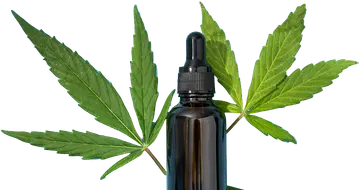
CBD-infused creams, balms, and oils are commonly used in post-workout routines. Applied directly to the skin, these products offer a targeted approach that fits seamlessly into massage therapy or self-care rituals. Some athletes incorporate CBD oil during sports massage or after intense training sessions, focusing on areas that feel particularly tense or sore. While research is still ongoing, this form of application is valued for its sensory experience and compatibility with established recovery methods.
Beyond topical use, CBD is also available as oils, capsules, or gummies. Some sports enthusiasts choose these formats as part of their daily wellness routine, often seeking a convenient and discreet way to explore the potential benefits of cannabinoids. It's important to note that individual responses can vary, and the effects of oral CBD may depend on factors like metabolism, dosage, and product quality.
Sleep is a cornerstone of recovery for anyone active in sports or fitness. Inadequate rest can hinder muscle repair, reduce focus, and impact overall well-being. Some athletes are interested in CBD for its potential to promote relaxation as part of a bedtime ritual. While studies on CBD and sleep are ongoing and results are mixed, a restful evening routine that includes CBD oil, a warm bath, or herbal teas is an approach some find helpful. As always, it's best to listen to your body and consult a healthcare professional if you have concerns about sleep or recovery. For more on this topic, see CBD and Sleep: What Science Says About CBD’s Role in Restful Nights.
Sports and training can be physically demanding but also mentally challenging. The pressure to perform, manage competition nerves, or balance training with daily life can create stress. Some users are drawn to CBD for its potential calming properties, hoping to support mental resilience and focus. While the research on CBD and stress is still developing, incorporating mindful practices like meditation, breathing exercises, or gentle stretching alongside CBD use can be a holistic way to support mental well-being.
With a growing market, athletes are faced with many CBD options. Here are some practical tips for making an informed choice:
The scientific community continues to study CBD's effects on inflammation, pain, and recovery. Some preliminary studies suggest potential anti-inflammatory properties, but results vary and more robust clinical trials are needed to draw definitive conclusions. Athletes interested in CBD should approach it as a complementary option and not a replacement for established recovery strategies such as good nutrition, hydration, and physical therapy.
For many athletes, CBD is just one part of a wider approach to recovery and well-being. Combining it with proven techniques—like stretching, massage, proper rest, and balanced nutrition—can help create a holistic routine. The key is to listen to your body, stay informed, and choose high-quality CBD products from trustworthy sources.
CBD is not a miracle solution, but it may offer interesting possibilities for athletes who value a balanced and mindful approach to their recovery.
Receive the latest information on sales, special offers, new publications and more...