




September 16, 2026
Cooking recipesHealth
Refreshing Homemade Mango Ice Cream with CBD Infusion
Read more
Medical cannabis refers to cannabis products prescribed for specific health conditions. These products typically contain a range of cannabinoids, with THC (tetrahydrocannabinol) and CBD (cannabidiol) being the most well-known. Medical cannabis is regulated and prescribed in various countries to address certain symptoms or conditions under medical supervision. The presence of THC is a defining feature, as it is the primary psychoactive component of the plant.
THC is the compound responsible for the psychoactive effects often associated with cannabis. In medical cannabis, THC may be present in significant amounts, depending on the formulation and the condition being treated. Its effects can include changes in mood, perception, and appetite. The use of THC-rich medical cannabis is strictly controlled and usually requires a prescription from a healthcare provider. Regulations differ by country and region, so legal access and permitted uses may vary.
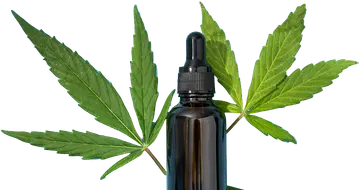
CBD, or cannabidiol, is another major compound found in the cannabis plant. Unlike THC, CBD does not produce intoxicating effects. Instead, it is valued for its non-psychoactive profile and is widely available in wellness and lifestyle products. CBD can be derived from both hemp and cannabis but is most commonly sourced from hemp, which naturally contains very low levels of THC.
The popularity of CBD has grown rapidly, especially for those seeking to integrate cannabis-derived products into their daily routines without experiencing a 'high.' CBD is available in various forms, including oils, capsules, edibles, topicals, and more. These products are used by individuals looking for a gentle, accessible way to explore the potential benefits of cannabinoids as part of a wellness routine.
Medical cannabis products are often made from cannabis plants that contain both THC and CBD, as well as other cannabinoids and terpenes. The precise ratios can be adjusted for medical purposes. In contrast, CBD products—especially those sold in mainstream markets—are typically derived from hemp and contain little to no THC. This difference affects not only the legal status but also the effects experienced by users. For more on how CBD oil is made, the extraction path matters as much as the finished format.
THC and CBD interact differently with the body's endocannabinoid system. THC binds directly to certain receptors, leading to psychoactive effects. CBD, on the other hand, interacts more subtly and does not cause intoxication. Some research suggests CBD may influence how the body processes its own endocannabinoids, though findings are still emerging and can vary from person to person. While medical cannabis may be prescribed for specific symptoms, CBD products are generally intended for broader wellness purposes.
The legal landscape for medical cannabis and CBD differs significantly across countries. Medical cannabis is often available only with a prescription, and its use is tightly regulated. CBD products, when derived from hemp and containing minimal THC, are generally more accessible and legal in many regions. Consumers should always check local laws before purchasing or using these products.
Medical cannabis is typically recommended by healthcare professionals for certain conditions where there is supporting evidence and when other treatments may not be suitable. The process involves assessment, prescription, and monitoring. In contrast, CBD is widely used as part of daily routines, such as in oils taken sublingually, topical creams, or edible formats. While some users incorporate CBD into wellness practices, it is important to remember that CBD products are not medicines and should not be used as a substitute for professional medical advice.
The world of cannabis-derived products is rapidly changing, with ongoing research and shifting regulations. As understanding of cannabinoids deepens, more options are becoming available to consumers. Whether considering medical cannabis or exploring CBD, staying informed and making choices based on your needs and local laws is essential.
Note: This article is for informational purposes only and does not constitute medical advice. The effects and uses of cannabis and CBD can vary. Always seek guidance from a qualified professional for health-related questions.
Receive the latest information on sales, special offers, new publications and more...